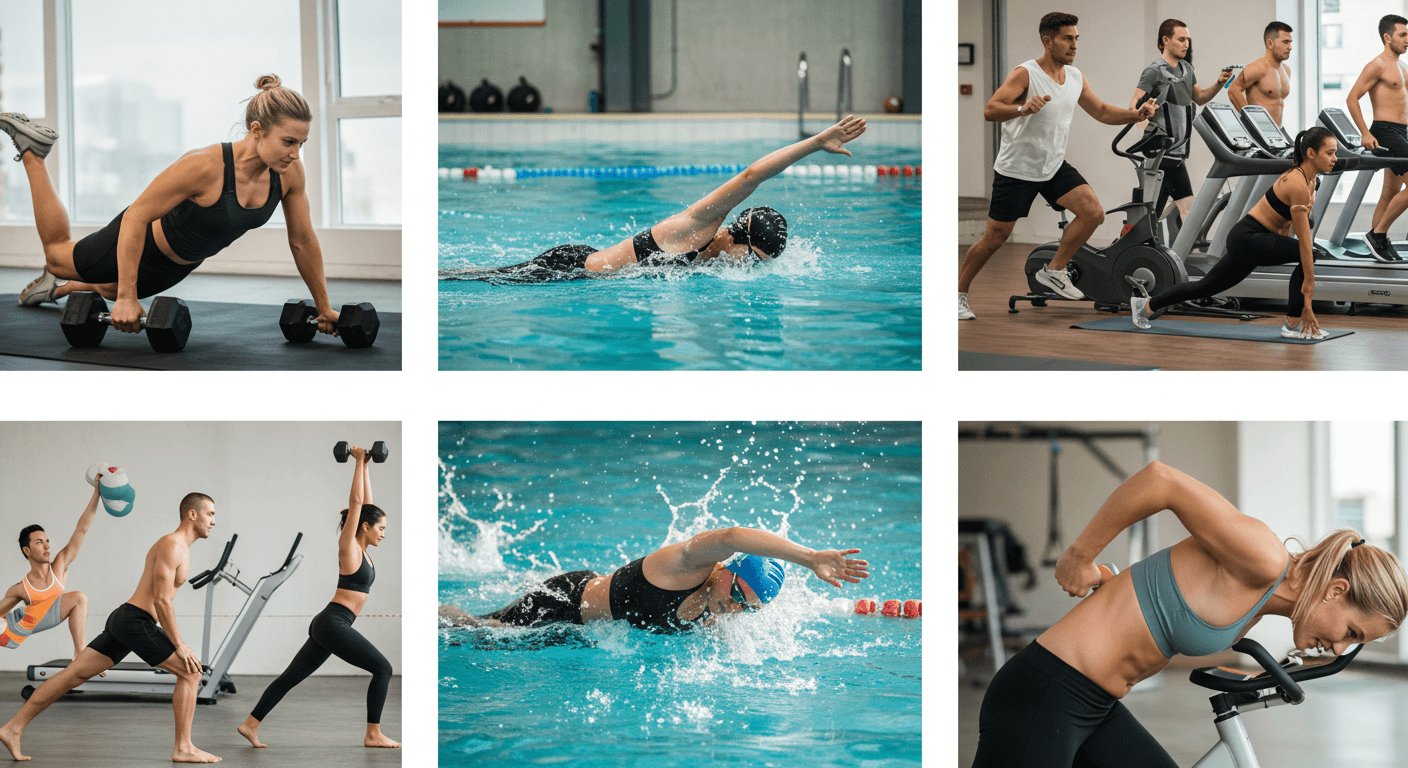
Let’s face it: working out is hard enough without having to figure out what to eat before and after. You’ve got weights to lift, cardio to endure, and maybe even a few embarrassing moments in front of the mirror.
So, why complicate things with complicated nutrition plans? Here’s how to fuel your body like a pro—without losing your mind or your lunch.
Top Takeaways and Key Concepts
Eat a balanced pre-workout snack with carbs and protein 30–60 minutes before exercise.
Stay hydrated before and during workouts to maintain energy and prevent muscle cramps.
Refuel after workouts within 30 minutes using protein and carbs to speed muscle recovery.
Avoid sugary snacks and skipping meals after exercise to support long-term fitness goals.
Listen to your body and adjust food choices based on energy, performance, and recovery.
Summary of This Article
This article explains how to properly fuel your body before and after workouts to boost performance and recovery. Pre-workout nutrition should include simple carbs and protein—like bananas with peanut butter or oatmeal—to provide energy. Hydration plays a vital role in avoiding fatigue and cramps, so drinking water before and during exercise is essential. After training, eating a balanced meal with both protein and carbohydrates helps repair muscles and restore energy stores. The article warns against skipping meals or consuming sugary junk food afterward and provides simple meal ideas for both pre- and post-workout fueling. Ultimately, it encourages paying attention to your body’s needs and eating smart to support fitness progress.
Video Summary
Please Note: This post may contain affiliate links. If you click one of them, we may receive a commission at no extra cost to you. As an Amazon Associate, I earn from qualifying purchases.
Shortcuts to Exercise Equipment Shopping at Amazon
Ellipticals - Exercise Bikes - Recumbent Bikes - Treadmills - Rowers
Dumbbells - Resistance Bands - Kettlebells - Benches - Pull-up Bars
The Importance of Pre-Workout Nutrition
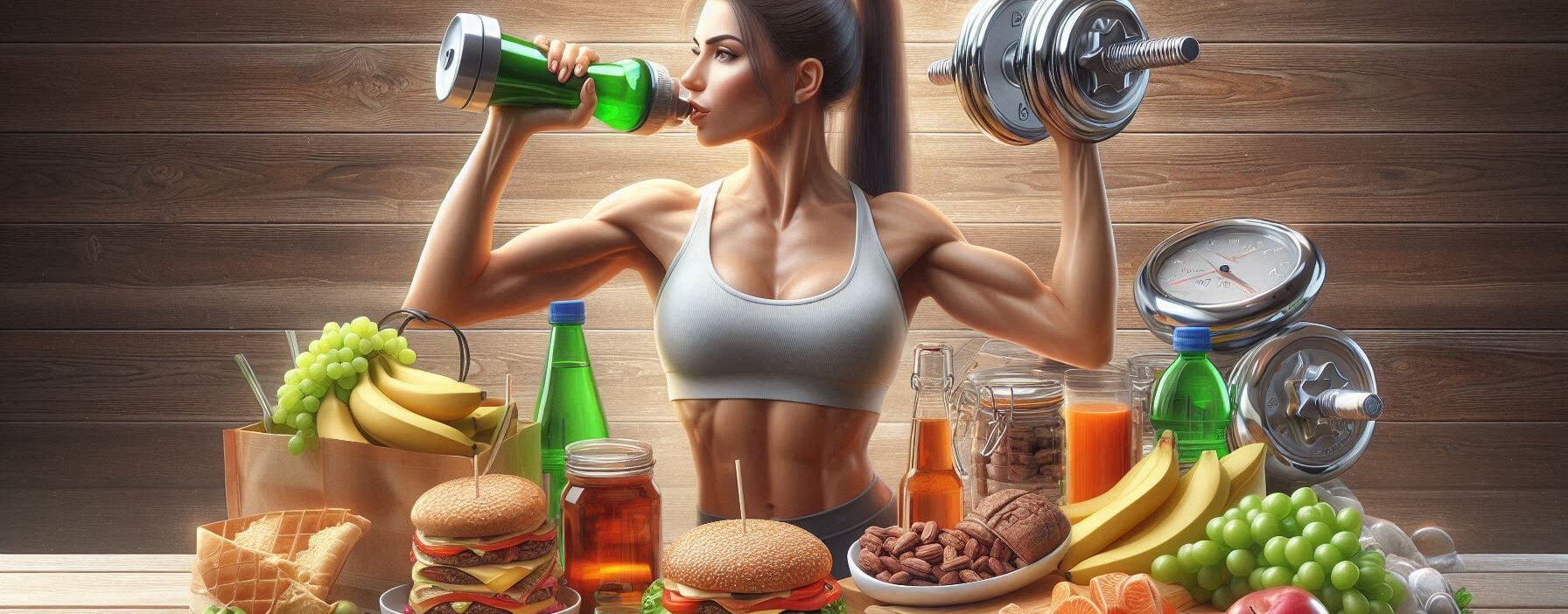
First off, let’s talk about pre-workout nutrition. Think of this as filling up your car before a long road trip; you wouldn’t want to run out of gas halfway through, right? Well, your body needs fuel too! Eating the right foods can boost energy levels and enhance performance.
Now, what should you eat? Ideally, you want something that combines carbohydrates for energy and protein for muscle support. A banana with some peanut butter is like the dynamic duo of snacks—easy to prepare and delicious!
Or maybe some oatmeal topped with berries if you’re feeling fancy (and by “fancy,” I mean slightly more effort than peeling a banana).
Timing matters too. Aim to eat about 30 minutes to an hour before you hit the gym. This gives your body time to digest—so you’re not that person trying not to hurl during burpees.
Hydration: The Unsung Hero
Speaking of fueling up, let’s not forget hydration! Water is like that friend who always has your back but doesn’t get nearly enough credit. Staying hydrated helps maintain energy levels and can prevent those dreaded cramps that feel like tiny gremlins attacking your muscles mid-squat.
But how much water do you need? It varies from person to person; however, a good rule of thumb is drinking at least 8 ounces about 30 minutes before exercising.
And don’t just stop there—keep sipping throughout your workout! If you’re sweating more than usual (thanks summer heat), consider adding electrolytes into the mix.
Post-Workout Recovery: Why It Matters
Okay, so you’ve crushed your workout—now what? Time for post-workout nutrition! This part is crucial because it helps repair muscles and replenish lost nutrients. Think of it as giving yourself a high-five for all that hard work!
After exercising, aim for a meal or snack rich in both protein and carbohydrates within 30 minutes. A smoothie made with yogurt and fruit works wonders or perhaps grilled chicken with sweet potatoes if you’re feeling particularly chef-y today (or if takeout sounds tempting).
The key here is balance: carbs will help restore glycogen while protein rebuilds those hardworking muscles.
What Not to Do After Working Out
Now that we’ve covered what you should be eating post-workout, let’s discuss what NOT to do! First on my list: don’t skip meals thinking you’ll magically transform into a fitness model overnight (spoiler alert: it won’t happen).
Also, avoid sugary snacks disguised as “healthy.” Energy bars can sometimes pack more sugar than candy bars; check those labels! And please resist the urge to celebrate your workout victory by diving headfirst into a giant pizza—it might feel good momentarily but remember those goals we talked about earlier?
Sample Meal Ideas
So now you’re probably wondering what exactly constitutes good pre-and post-workout meals. Let me help by providing some ideas that are both tasty and nutritious!
For breakfast before an early morning workout:
– Greek yogurt with honey and granola.
– Whole-grain toast topped with avocado.
For lunch after hitting the gym:
– Quinoa salad loaded with veggies and chickpeas.
– Turkey wrap with lots of colorful toppings.
And don’t forget snacks!
– Hummus paired with carrot sticks.
– Cottage cheese mixed with pineapple chunks—a personal favorite!
Listening To Your Body
At this point, it’s important we touch on listening to our bodies because they often know best—even when our brains are telling us otherwise (like how chocolate cake might be the answer).
If you’re feeling sluggish or overly tired during workouts consistently despite eating well—maybe it’s time for an adjustment in either diet or rest days.
Every individual has different needs based on activity level, metabolism rate—and yes—even personal preferences (who knew?). Don’t hesitate to experiment until you find what makes YOU feel energized rather than weighed down!
Conclusion: Fueling For Success
In conclusion—fueling properly before AND after workouts can make all the difference between dragging yourself through exercises versus crushing them like an absolute champion! By incorporating balanced meals filled with carbohydrates and proteins along with staying hydrated—you’ll set yourself up for success every single time.
So next time someone asks why they see you munching on bananas or sipping smoothies post-gym—you can confidently respond: “I’m just fueling my greatness!” Because honestly folks—that’s exactly what we’re all striving for anyway!
Suggested Resources:
The Best Foods to Eat Before Working Out
https://www.healthline.com/nutrition/best-foods-before-working-out
Post-Workout Nutrition Guide
https://www.bodybuilding.com/content/post-workout-nutrition.html
Hydration Tips for Athletes
https://www.runnersworld.com/health-injuries/a20863605/hydration-tips-for-runners/
Frequently Asked Questions
How long before a workout should I eat?
It’s best to eat a small carb and protein snack about 30–60 minutes before exercising to give your body time to digest and provide fuel for training.
What types of foods make good pre-workout fuel?
Simple carbs paired with protein like bananas with peanut butter, oatmeal with berries, or yogurt can provide steady energy without feeling heavy.
Do I really need to hydrate before and during workouts?
Yes. Staying hydrated supports energy, reduces fatigue, and helps prevent cramps, especially during longer or more intense training sessions.
Why is post-workout nutrition important?
After exercising your muscles need protein and carbs to repair tissue and restore glycogen, which helps speed recovery and improve performance.
What is a good post-workout meal idea?
Smoothies with yogurt and fruit, turkey wraps, or chicken with sweet potatoes work well because they contain both protein and carbs for recovery.
Should I avoid sugary snacks after training?
Yes. Sugary snacks can spike and crash energy and don’t support muscle repair or long-term goals as effectively as balanced foods.
How can I tell if I need to adjust my fueling plan?
If you feel sluggish, overly tired, or notice recovery slowing down, try adjusting food timing, hydration, or portion size based on how your body responds.

Kevin Collier is a passionate fitness expert dedicated to helping individuals achieve their health and wellness goals. With a focus on weight lifting, exercise routines, and effective weight loss strategies, he aims to inspire and motivate others on their fitness journeys. Through evidence-based insights and practical advice, Kevin empowers readers to make informed decisions about their health, encouraging a balanced approach to fitness and overall well-being. Whether you’re a beginner or an experienced athlete, his expertise offers valuable guidance to elevate your fitness game.