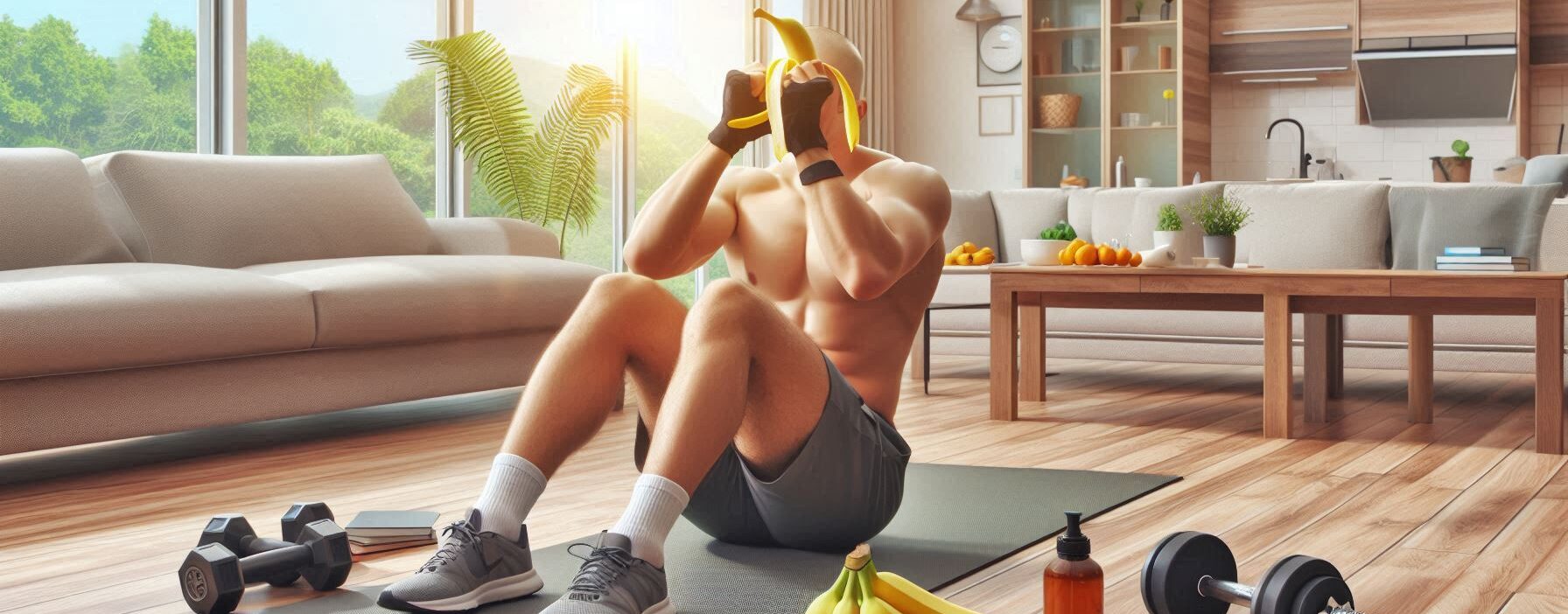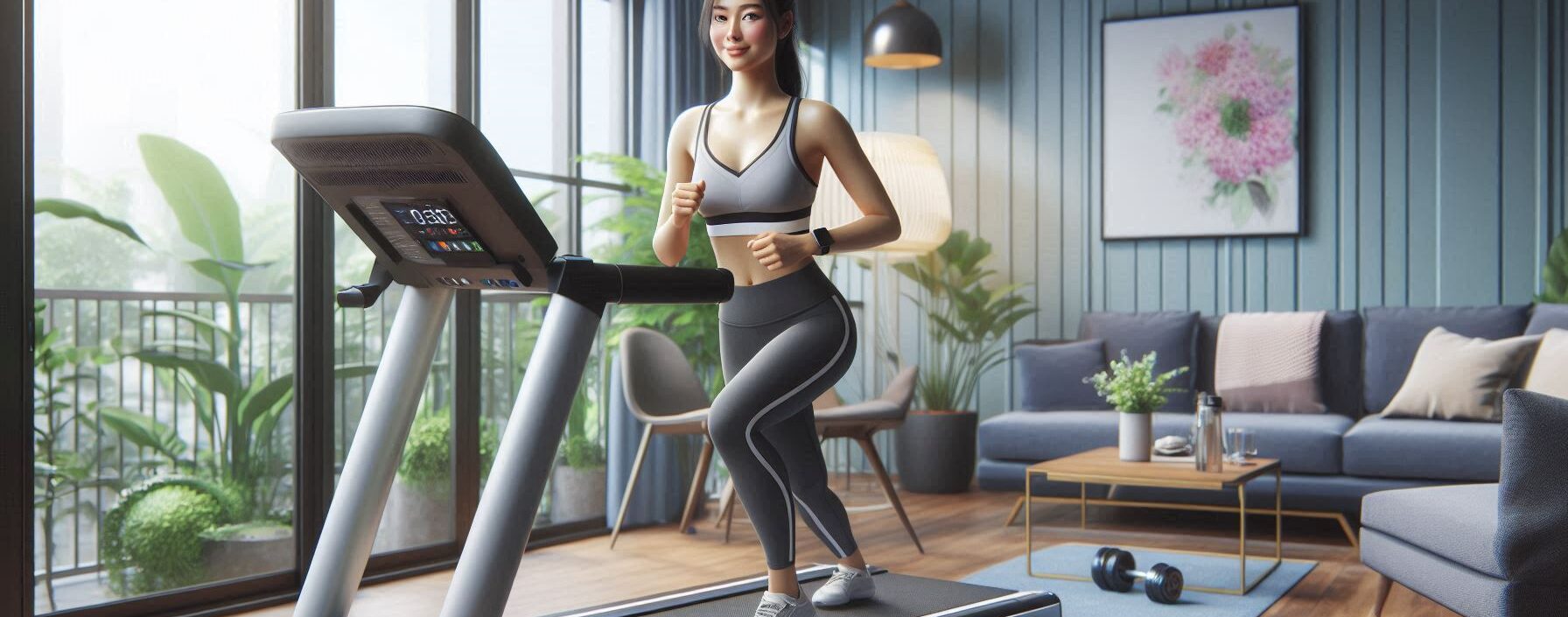
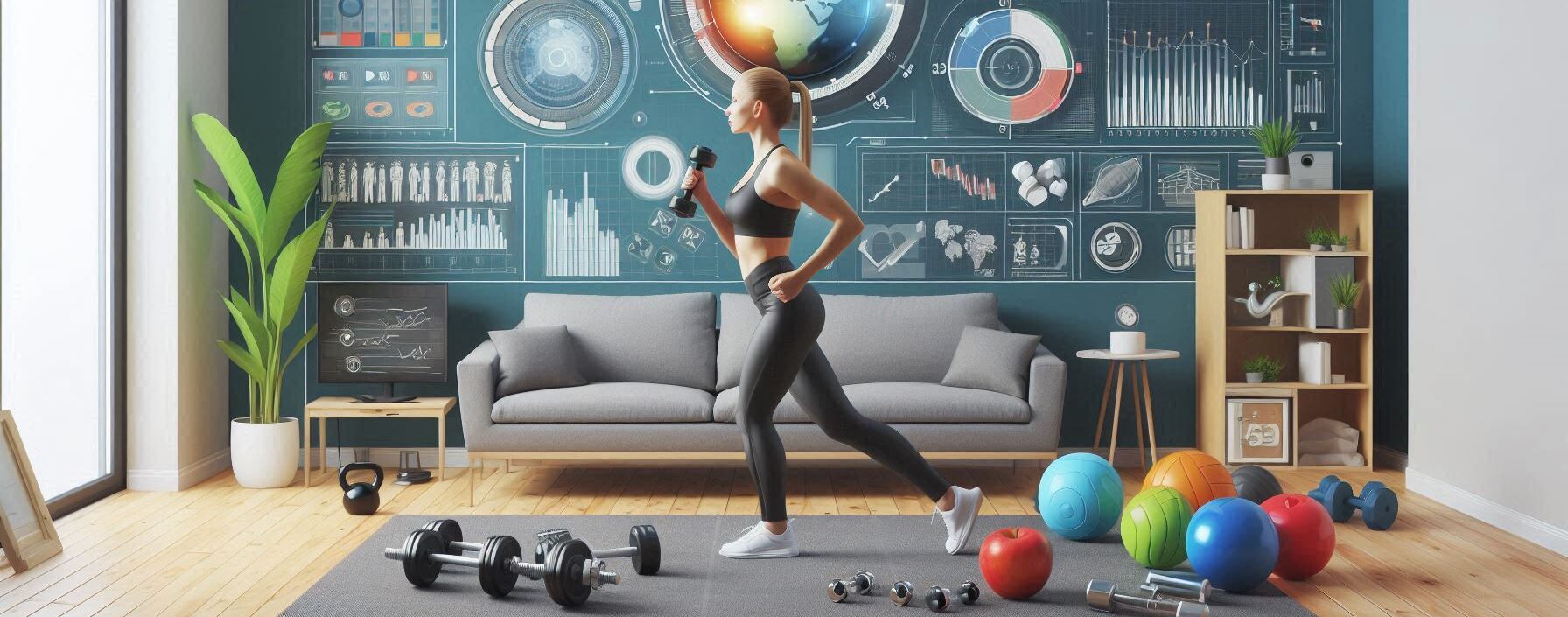
Let’s face it: working out at home can sometimes feel like a game of “How many excuses can I come up with?” You know, the classic ones like, “I don’t have enough space,” or “I forgot where I put my dumbbells.”
But fear not! You can absolutely maximize your home workouts even if your only equipment is a yoga mat and an old pair of sneakers. In this article, we’ll explore how to turn your living room into a mini gym without needing a second mortgage.
Top Takeaways and Key Concepts
Use bodyweight exercises to build full-body strength without equipment using moves like push-ups and squats.
Add resistance bands to increase intensity and target more muscles in small spaces.
Invest in dumbbells to expand exercise options and improve strength, balance, and coordination.
Follow a structured routine with warm-up, strength training, cardio, and cool down for balanced results.
Stay consistent and accountable by tracking progress, working with friends, and listening to your body.
Summary of This Article
This article explains how to get strong, effective workouts from home without needing a gym or expensive equipment. It highlights bodyweight exercises as a powerful foundation, then suggests resistance bands and dumbbells for added challenge and versatility. The article explains how to build a balanced workout routine based on personal goals and includes tips for cardio without machines. It also emphasizes staying consistent, staying motivated with friends or online communities, and taking rest days to avoid injury. With the right approach, anyone can turn their living room into a mini gym and crush their fitness goals.
Video Summary
Please Note: This post may contain affiliate links. If you click one of them, we may receive a commission at no extra cost to you. As an Amazon Associate, I earn from qualifying purchases.
Shortcuts to Exercise Equipment Shopping at Amazon
Ellipticals - Exercise Bikes - Recumbent Bikes - Treadmills - Rowers
Dumbbells - Resistance Bands - Kettlebells - Benches - Pull-up Bars
1. The Power of Bodyweight Exercises
First things first—let’s talk about bodyweight exercises. These are the unsung heroes of home workouts! Who needs fancy machines when you’ve got your own body? Seriously, think about it: push-ups, squats, lunges—the list goes on.
Bodyweight exercises are incredibly versatile and can be modified for any fitness level. If you find regular push-ups too easy (which means you’re probably some sort of superhero), try elevating your feet on a chair or doing them one-handed while reciting Shakespeare. Just kidding—don’t do that unless you want to end up on the floor.
And here’s a little secret: bodyweight exercises help build functional strength. That means when you finally decide to lift that giant bag of dog food or move the couch because you dropped the remote again, you’ll be ready!
2. Resistance Bands: The Magical Rubber Strips
Now let’s chat about resistance bands—those colorful rubber strips that look like they could double as slingshots in a pinch. Resistance bands are fantastic tools for adding variety and intensity to your workouts without taking up much space.
You can use them for everything from bicep curls to leg lifts. They’re lightweight and portable, so you can easily stash them in a drawer or take them on vacation (because who doesn’t want to work out in their hotel room?).
By the way, these bands come in different resistance levels! So whether you’re just starting out or you’re basically Arnold Schwarzenegger reincarnated, there’s a band for everyone.
3. Dumbbells: Your New Best Friends
If there’s one piece of equipment I highly recommend investing in, it’s dumbbells. They’re like having tiny personal trainers at home—except they won’t judge you for eating ice cream straight from the tub afterward.
Dumbbells are incredibly versatile and allow for countless exercises targeting every muscle group imaginable—from shoulders to legs and everything in between! And guess what? You don’t need a full rack; just two adjustable weights will do wonders.
Interestingly enough, using dumbbells during workouts has been shown to improve coordination and balance—not that we need any help tripping over our own feet while trying to grab that last slice of pizza!
4. Creating an Effective Workout Routine
Let’s see… now that we have our equipment sorted out, how do we create an effective workout routine? Start by determining your fitness goals—is it weight loss? Building muscle? Or maybe just being able to run away from zombies?
Once you’ve set those goals, structure your routine around them. A balanced workout should include:
– Warm-up: Get those muscles ready with light cardio.
– Strength training: Focus on major muscle groups using bodyweight exercises or dumbbells.
– Cardio: Add some heart-pumping intervals—think jumping jacks or high knees.
– Cool down: Stretching is crucial; no one wants sore muscles ruining their day.
To be fair, consistency is key here! Try aiming for three to four sessions per week and keep track of your progress—it feels great when those weights start feeling lighter!
5. Incorporating Cardio Without Equipment
Alright folks, let’s get real about cardio at home without needing fancy treadmills or elliptical machines occupying half your living room space.
You can crank up some music (or whatever motivational podcast helps) and dance like nobody’s watching—or everyone is watching because they’re judging you through their windows (awkward!).
Other options include jogging in place or doing burpees—which I personally believe were invented by someone who wanted us all to suffer together—but hey! It gets the heart rate up!
6. Stay Accountable
Here’s where things get interesting! Staying accountable might be more important than all those fancy pieces of equipment combined. Consider teaming up with friends for virtual workout sessions via video calls—you’ll motivate each other while also making sure no one skips leg day again!
You could also join online communities focused on fitness; sharing achievements (and struggles) creates camaraderie—and maybe even leads to new friendships built around shared sweat experiences!
7. Listen to Your Body
Finally—and this is crucial—listen to your body! If something hurts (and I’m not talking about that delightful burn), stop immediately before ending up flat on the floor wondering why life choices led you here.
Rest days are essential too! Remember, building strength happens during recovery time—not while you’re sweating profusely trying not to drop dumbbells on your toes.
Suggested Resources:
Fitness Blender
https://www.fitnessblender.com
ACE Fitness
https://www.acefitness.org
Verywell Fit
https://www.verywellfit.com
Frequently Asked Questions
Can I build strength at home without equipment?
Yes. Bodyweight movements like squats, push-ups, and lunges can build strength and can be progressed by changing tempo, angle, or reps.
Are resistance bands helpful for home workouts?
Resistance bands increase challenge, tension, and muscle activation without needing heavy weights or extra space.
Do I need a full dumbbell set for results?
No. A single pair of adjustable dumbbells can target all major muscle groups and add progression safely.
What is the ideal structure of a home workout?
A typical session includes warm-up, strength work, cardio intervals, then stretching to cool down.
How can I get effective cardio without machines?
Movements like jumping jacks, jogging in place, and burpees raise heart rate quickly without equipment.
How do I stay accountable while training at home?
Tracking workouts, exercising with friends online, or joining online fitness communities increases consistency.
Is rest important when working out at home?
Yes. Muscles grow during recovery, so taking rest days helps prevent injury and improves results.

Kevin Collier is a passionate fitness expert dedicated to helping individuals achieve their health and wellness goals. With a focus on weight lifting, exercise routines, and effective weight loss strategies, he aims to inspire and motivate others on their fitness journeys. Through evidence-based insights and practical advice, Kevin empowers readers to make informed decisions about their health, encouraging a balanced approach to fitness and overall well-being. Whether you’re a beginner or an experienced athlete, his expertise offers valuable guidance to elevate your fitness game.